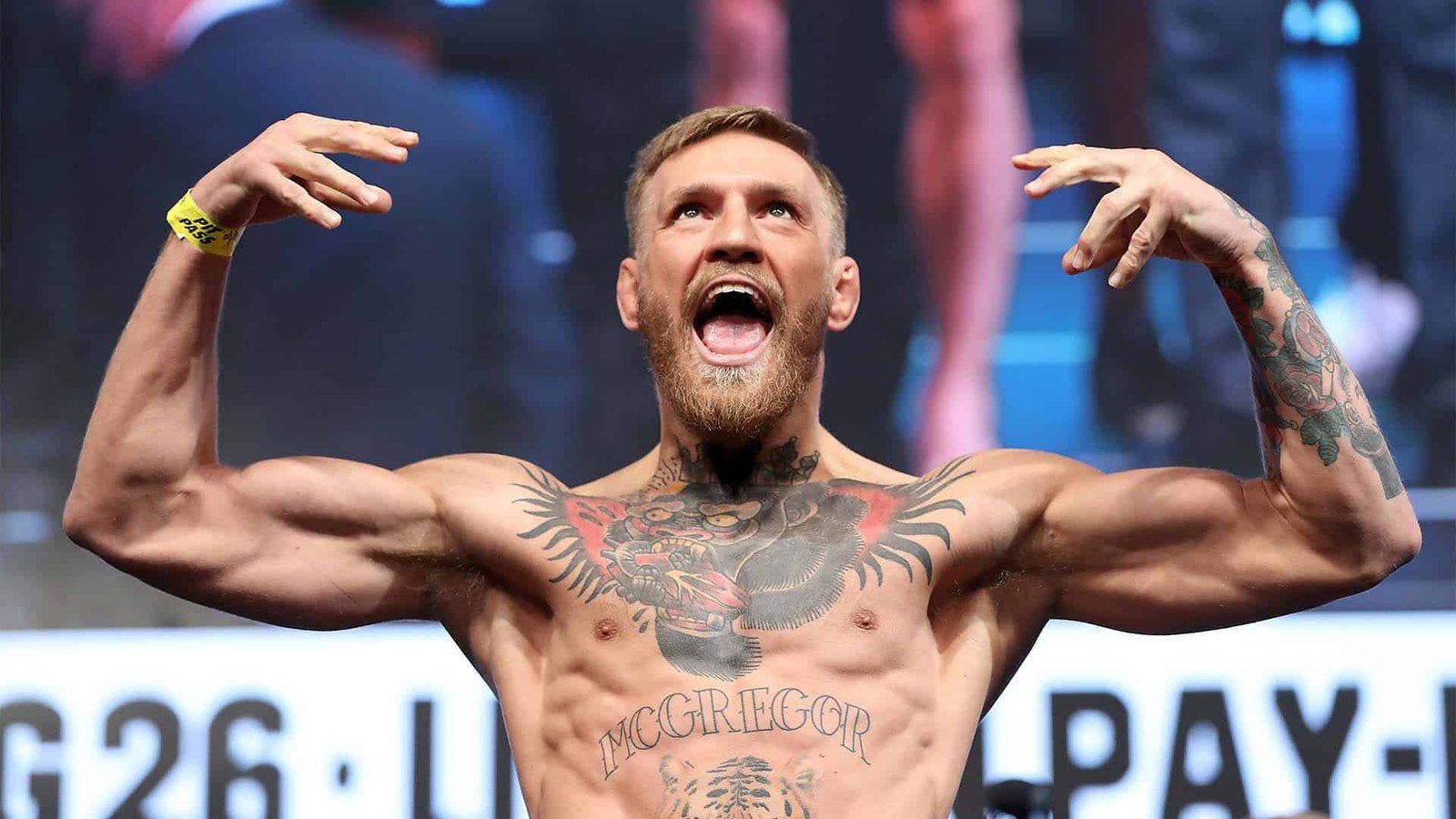
The McGregor Effect: How He Changed the UFC Business Model
Conor McGregor is far more than a UFC fighter—he is a global phenomenon who reshaped how mixed martial arts is marketed, monetized, and consumed worldwide. Known for his knockout power, sharp wit, and unapologetic confidence, the Irish superstar brought a new era of entertainment into combat sports. His influence on fighter pay, promotional strategy, and global expansion of the UFC is undeniable. This transformation has come to be recognized as “The McGregor Effect”—a shift that permanently changed the UFC business model.
A Fighter Who Transcended the Octagon
Before McGregor arrived in the UFC in 2013, the organization was still emerging from its niche status. While stars like Georges St-Pierre, Anderson Silva, and Jon Jones helped grow the sport, none carried the mainstream cultural impact that McGregor would eventually command. His magnetic personality made every fight a spectacle, compelling even non-MMA fans to tune in. UFC no longer sold just fights—it sold personalities, and McGregor was the ultimate showman.
His ability to generate headlines through press conferences, social media, and in-fight trash talk made him a marketing powerhouse. Fans wanted to witness either his triumph or downfall, and the UFC quickly realized the commercial value in that unpredictability.
Redefining Pay-Per-View Economics
McGregor’s fights consistently shattered UFC pay-per-view (PPV) records. Events featuring him have dominated the top-selling cards in UFC history, including:
- UFC 229: Khabib vs McGregor – Highest-selling PPV of all time
- UFC 202: Diaz vs McGregor 2 – One of the best-selling rematches in combat sports
- UFC 246: McGregor vs Cerrone – Major PPV hit after his brief absence
His presence alone could turn an event into a financial success—even if the matchup lacked a title or rivalry narrative. This led UFC executives to shift their strategy: star power became a priority, sometimes over rankings or sporting merit.
The business model moved from “the best fight the best” to “the biggest draw gets the spotlight.” Fighters who could talk, engage, and create hype gained opportunities that once depended solely on athletic accomplishments.
The Birth of UFC Superfights
McGregor popularized the idea of superfights within the UFC. His move to different weight classes—becoming the first fighter to hold two UFC belts simultaneously—opened the doors for more flexible matchmaking. Fans began demanding champion vs. champion matchups, and UFC saw the profits in delivering them.
His 2017 boxing match with Floyd Mayweather was a historic crossover event that generated over $600 million in revenue. Even though the contest was outside the UFC, it demonstrated the earning potential of fighters who transcend their sport. Since then, UFC has embraced big, cross-divisional bouts and entertainment-driven negotiations.
Fighter Compensation and Negotiation Power
Before McGregor, fighters rarely spoke publicly about contract issues or revenue splits. McGregor changed all of that. By making tens of millions per fight and actively negotiating pay, he raised awareness of fighter compensation within the MMA community. Many fighters began demanding better contracts and accountability for UFC earnings.
UFC adapted its structure by:
- Introducing new revenue incentives for headliners
- Negotiating short-term contracts with major stars
- Encouraging fighters to build their personal brands
McGregor proved that fighters who drive business deserve a major share of profits. Even his rivals benefited—anyone who stepped into the cage with him earned the biggest paycheck of their careers.
Global Expansion and Marketability
Ireland became one of the UFC’s most passionate fanbases because of McGregor’s success. His iconic walkouts, tricolor flags, and emotional connection to his home country built a new international audience. UFC events in Europe sold out rapidly, and McGregor’s presence helped expand the sport into markets such as:
- The United Kingdom
- Australia
- The Middle East
- The United States at a mainstream level
Brands worldwide recognized his marketing value, leading to massive sponsorship growth for UFC athletes and the organization itself.
Social Media and The Athlete as a Brand
McGregor mastered the digital age of sports promotion. Through Instagram, Twitter, and high-impact media appearances, he grew a personal brand worth hundreds of millions. UFC adapted by encouraging fighters to maintain strong online identities and drive their own viewership.
Today, press tours, viral callouts, and personality-driven promotion are not add-ons—they’re central to the UFC business model. McGregor didn’t just promote fights—he promoted himself, and UFC profited immensely.
Read More Article Like this – Click Here
Merchandise, Whiskey, and Entrepreneurial Influence
His business success outside the Octagon also became part of his legend. The launch of Proper No. Twelve Irish Whiskey turned McGregor into a major entrepreneur, with his brand being sold in international markets. The UFC saw athletes could bring commercial value that stretched far beyond fight night, leading the business to collaborate with fighters on personal branding initiatives.
This shift encouraged more fighters to explore entrepreneurship, sponsorships, and investment opportunities.
The McGregor Effect: A Double-Edged Sword
While McGregor’s impact is largely positive, it has sparked debates:
- Has the sport shifted too far toward entertainment over competition?
- Do rankings still matter as much as popularity?
- Should controversial behavior be marketed if it sells?
These questions remain central to UFC’s identity. But regardless of criticism, the financial outcomes speak for themselves.
A Legacy That Goes Beyond Fighting
Even as his fighting career slows down, McGregor’s mark on the UFC remains permanent. He transformed:
| Area | Before McGregor | After McGregor |
| Marketing | Sport-focused | Entertainment-driven |
| Fighter Pay | Low leverage | Superstar leverage |
| Matchmaking | Rankings-based | Hype-based |
| Global Reach | Growing slowly | Rapid expansion |
| Athlete Branding | Underdeveloped | Major priority |
McGregor didn’t just win fights—he changed the rules. He made UFC a blockbuster business, elevating MMA to mainstream pop-culture status.
Conclusion
Conor McGregor is one of the most influential figures in MMA history. His charisma, business savvy, and ability to captivate the world redefined what it means to be a UFC fighter. The McGregor Effect ensures that future stars won’t just compete—they’ll entertain, negotiate, and build empires.
Love him or hate him, Conor McGregor’s legacy is cemented. The UFC will never operate the same way again—and that’s precisely what he intended.