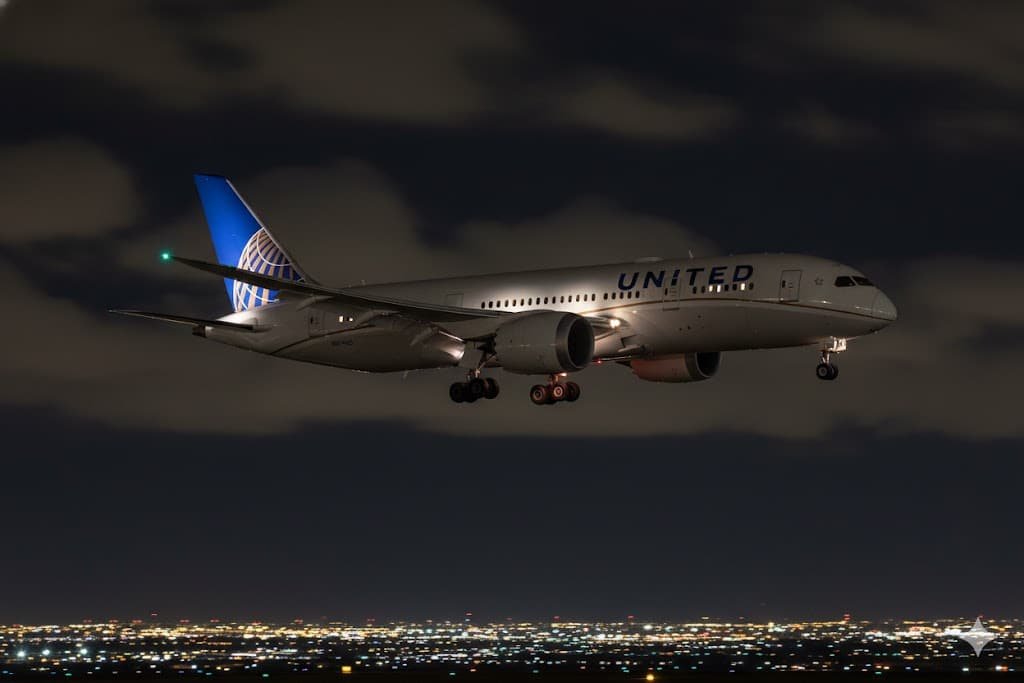
Mid-Air Crisis on United UA770: The Full Story Behind the Emergency Diversion
The Day United Airlines Flight UA770 Suddenly Diverted to London
What started out as a normal long flight across the Atlantic turned into something no one on board will ever forget.
United Airlines Flight UA770 had taken off from Barcelona headed for Chicago just like any other international flight. People were settling in, watching movies, trying to sleep, or chatting with seatmates. Everything felt routine. Calm. Ordinary.
And then, quietly, everything changed.
No loud bang. No shaking. No dramatic moment where people screamed. Instead, it was subtle. A shift in the aircraft’s direction. A longer pause than usual before the captain spoke. A tone in the voice that told everyone something wasn’t quite right.
Soon after, passengers were told the flight would not be continuing to the United States. Instead, the plane was diverting to London due to a technical issue.
Just like that, a normal travel day turned into a mid-air crisis.
When the Cabin Mood Changes
Most passengers didn’t notice anything at first. That’s usually how it goes with these situations. The plane was still flying smoothly. The seatbelt signs were on like normal. Nothing felt dangerous. But frequent flyers know the feeling when something’s off — a different tone from the crew, a change on the flight map, an unusual quiet across the cabin.
When the announcement came, it was calm and professional. The captain explained there was a technical issue and that landing in London was the safest option. No alarming language. No panic. Just clear, steady communication.
Still, once that word “divert” is said, everyone starts thinking the same thing: How serious is this?
What Happened in the Air
The issue involved the system that controls air pressure inside the cabin. That system is what allows people to breathe normally while flying high above the earth. When something in that system even might be off, pilots don’t take chances. They treat it seriously right away.
There was no sudden loss of air. No oxygen masks dropped. No one struggled to breathe. That’s important. It shows the problem was caught early — before it could ever become truly dangerous.
But still, the warning was enough for the pilots to declare an in-flight emergency. That declaration doesn’t mean disaster is happening. It means the crew is asking for full attention, full support, and the fastest path to a safe landing. It clears the skies around them and gets emergency teams ready on the ground, just in case.
From that moment on, every decision was about one thing only: getting everyone on the plane safely back on the ground.
Why the Plane Chose London
When a plane needs to land unexpectedly, the choice of airport matters a lot. The runway has to be long enough. The weather has to be good. Emergency teams need to be ready. Maintenance crews need to be available. And the airport must be able to handle a large international aircraft full of passengers.
That’s why the pilots chose Heathrow Airport.
It’s one of the most prepared airports in the world for exactly this kind of situation. Once the decision was made, the aircraft turned toward the United Kingdom, and air traffic controllers cleared the way.
Inside the cabin, people watched the map screens silently. Some gripped their armrests. Others held hands. Some tried to stay calm by distracting themselves with music or movies. The cabin crew kept moving through the aisle, focused and reassuring, checking that everyone was ready for landing.
No panic. Just tension.
The Landing
As the plane approached London, passengers could see emergency vehicles lined up along the runway. Fire trucks. Safety crews. All waiting.
That sight alone was enough to make some hearts start racing.
But the landing itself was smooth. No sudden drop. No rough touchdown. The plane slowed normally, turned off the runway, and rolled toward the gate like any other arrival. When it finally stopped and the seatbelt sign turned off, the relief in the cabin was overwhelming.
People clapped. Some laughed nervously. Some wiped away quiet tears. Everyone was just thankful to be on solid ground again.
No one was hurt.
After Everyone Got Off the Plane
Once inside the terminal, reality set in. This wasn’t just a quick stop. The flight was over. Passengers were rebooked. Some were sent to hotels. Others waited for replacement flights. Travel plans were delayed. Connections were missed. Vacations were disrupted.
But under all the frustration was a shared understanding: this inconvenience was the price of safety.
The aircraft itself was taken out of service for inspection. Engineers would go through it carefully before it ever carried passengers again. Nothing would be rushed. No chances would be taken.
Why This Was Actually a Good Outcome
Headlines love dramatic words like “mid-air crisis,” and yes, for the people onboard, it absolutely felt like one. But from a safety standpoint, this is exactly how the system is supposed to work.
A warning appeared.
The crew trusted it.
They didn’t ignore it.
They didn’t gamble.
They landed early.
That’s not failure. That’s success.
Modern airplanes are built to spot problems early, sometimes even before humans can feel anything is wrong. Diversions happen not because planes are unsafe, but because aviation refuses to wait until things become dangerous.
What Passengers Can Take Away From This
If you ever find yourself on a flight that diverts for a technical reason, here’s what UA770 reminds us:
A diversion doesn’t mean the plane was about to fall out of the sky.
An emergency declaration doesn’t mean disaster is happening.
A calm crew usually means the situation is under control.
And delays, hotels, and rebookings are part of a system that puts lives first.
Flying can feel scary when plans suddenly change in the air. But moments like this actually show just how many safety nets are in place.
The Bottom Line
United Flight UA770 never made it to Chicago that day. Instead, it landed safely in London with every passenger able to walk off the plane. What could have turned into something far worse was stopped early by training, technology, and smart decision-making.
For the people onboard, it was an unforgettable experience.
For aviation safety, it was the system doing exactly what it was built to do.
And in the end, that’s the best possible outcome.
Personal Passenger Story
I boarded United Airlines Flight UA770 in Barcelona expecting nothing more than a long, boring flight. Takeoff was smooth, people settled in, and everything felt completely normal.
Somewhere in the air, I noticed our flight path on the screen slowly changing. A little later, the cabin crew grew quiet and serious. Then the captain came on and calmly said we had a technical issue and would be diverting to London as a precaution.
That single word—diverting—changed everything.
The cabin went silent. No panic, just tension. The plane turned gently, and the crew moved through the aisles checking on everyone. No masks dropped. Nothing dramatic happened, but my heart wouldn’t slow down.
As we approached Heathrow Airport, I looked out the window and saw fire trucks lined up along the runway. That was the moment it felt truly real.
The landing was smooth. When we stopped at the gate, people clapped, laughed nervously, and some even cried. I just sat there, shaking a little, overwhelmed with relief.
It wasn’t the scariest moment of my life—but it was the quietest kind of fear. And in the end, the thing I remember most is how calm everyone in charge stayed, and how safely they got us back on the ground.
Read More Blogs: Protect Your iOS App: Advanced Security for Every User