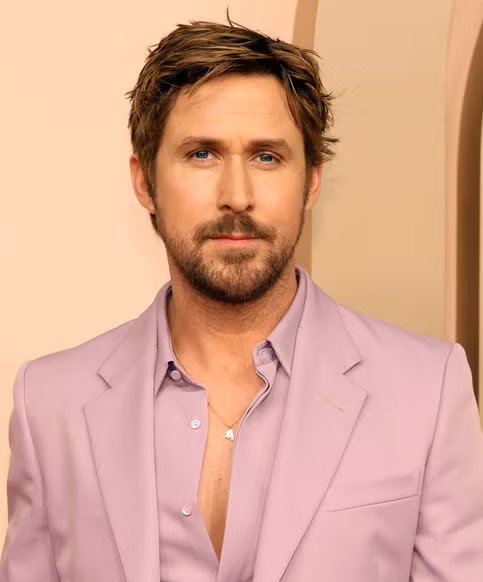
Why Ryan Gosling Is One of Hollywood’s Most Versatile Actors
In an industry that often rewards predictability and typecasting, Ryan Gosling has carved out a career defined by fluidity, experimentation, and an unwavering commitment to craft. Over the past two decades, he has evolved from a former child performer into one of Hollywood’s most respected and unpredictable actors. Whether he is playing a quiet loner, a musical romantic, a comedic scene-stealer, or a stoic antihero, Gosling’s work reflects a rare blend of emotional depth, physical precision, and artistic curiosity. His versatility is not accidental—it is the direct result of deliberate choices, fearless performances, and a restless creative drive.
From Disney to Drama: The Early Transformation of Ryan Gosling
Many actors struggle to break free from the shadow of their early careers, but Gosling’s transition from The Mickey Mouse Club to independent drama was swift and fearless. His breakout role in The Believer (2001) stunned critics not only because of the film’s risky subject matter but because it revealed an unexpected intensity from an actor still known primarily for lighthearted television work. Gosling brought nuance and emotional contradiction to a character that could easily have been one-dimensional. It was a signal that he was unwilling to be confined by expectations—and that he was capable of far more complex roles than Hollywood had imagined.
Master of the Quiet and the Intense
One of Gosling’s greatest strengths is his command of subtlety. He can speak volumes without saying a word, and directors have repeatedly used that quality to powerful effect. In Drive (2011), he transformed the archetype of the silent, mysterious antihero into something chillingly poetic. With minimal dialogue, he conveyed vulnerability, violence, longing, and control. His performance became a blueprint for modern minimalist acting, influencing countless films and characters in the years that followed.
But Gosling also excels in roles that demand emotional volatility. In Blue Valentine (2010), he delivered one of the decade’s most visceral onscreen portrayals of a relationship’s decline. His rawness, honesty, and willingness to explore the messiness of love and loss further cemented him as an actor unafraid of emotional risk. Very few performers can move so seamlessly between quiet restraint and explosive heartbreak—and even fewer can make both feel equally organic.
A Comedy Revelation
While many audiences first associated Gosling with brooding drama, his comedic talent emerged as another dimension of his versatility. In Crazy, Stupid, Love (2011), he was effortlessly charming and sharply funny, playing a stylish ladies’ man with impeccable timing. The role showcased a lighter, more playful side that broadened his appeal and proved he wasn’t confined to serious character pieces.
But it was The Nice Guys (2016) that truly revealed Gosling’s comedic genius. Paired with Russell Crowe in a 1970s buddy-comedy noir, Gosling delivered a performance filled with slapstick brilliance, verbal wit, and delightful self-deprecation. He embraced physical comedy with the spirit of a silent-era performer, demonstrating a rare willingness to appear foolish and vulnerable for the sake of a laugh.
The Musical Renaissance
If there were any lingering doubts about Gosling’s adaptability, La La Land (2016) put them to rest. Taking on the role of a jazz pianist in a modern musical demanded not just acting but singing, dancing, and musical training. Gosling delivered all three with surprising sophistication. His commitment—learning jazz piano from scratch for the film—reflected the kind of dedication usually associated with method actors, yet he never let the technical demands overshadow emotional storytelling.
His chemistry with Emma Stone, built through years of collaboration, created one of modern cinema’s most beloved romantic pairings. The film’s success and Gosling’s performance demonstrated his ability to lead a completely different genre with the same authenticity he brings to dramatic roles.
A Taste for the Unconventional
Gosling is drawn to characters who defy easy categorization. In Lars and the Real Girl (2007), he portrayed a shy, socially isolated man in love with a life-sized doll—a role that could have easily turned comedic or absurd. Instead, Gosling delivered an empathetic, delicate performance that elevated the film from quirky premise to heartfelt exploration of loneliness and healing.
Similarly, in Blade Runner 2049 (2017), he faced the daunting task of following in the footsteps of a sci-fi classic while creating a protagonist with his own emotional arc. His performance—cool, melancholic, and quietly searching—perfectly captured the essence of the film’s philosophical questions about identity and humanity.
These choices reflect an actor drawn not just to challenging roles but to sincere, sometimes vulnerable storytelling. Gosling gravitates toward characters who inhabit the margins, the misunderstood, or the emotionally layered. His willingness to explore the offbeat and the introspective sets him apart from traditional leading men.
Explore more like this : Click here
Building a Career on Curiosity
What truly makes Ryan Gosling one of Hollywood’s most versatile actors is not just the diversity of his roles but his continuous evolution. He avoids repetition, declines roles that feel derivative, and prioritizes creative partnerships with visionary directors. From Derek Cianfrance to Nicolas Winding Refn to Damien Chazelle, Gosling aligns himself with storytellers who push boundaries and dig beneath the surface.
He also brings a collaborative spirit to his projects, often shaping the emotional tone of a film with subtle improvisation or unexpected choices. Directors have praised his instinctive understanding of character, his ability to elevate a scene through stillness or spontaneity, and his commitment to authenticity.
A Star Who Defies the Old Rules
In an era when many actors are defined by franchises, Gosling has maintained a career that is unpredictable, artistically driven, and refreshingly varied. He can headline a blockbuster, ground an indie drama, or revitalize a genre film—all while maintaining his distinctive voice as an actor.
His performances resonate because they feel lived-in and emotionally honest. He can be cool without being detached, vulnerable without being melodramatic, and funny without forcing the joke. In other words, Ryan Gosling is a performer who trusts nuance, embraces transformation, and consistently seeks the unexpected.
Conclusion
Ryan Gosling’s versatility is not simply the result of talent—it is the product of fearless choices, deep emotional intelligence, and a commitment to challenging himself with every role. He reinvents himself film after film, moving effortlessly between genres and crafting performances that linger long after the credits roll. In a landscape where true versatility is increasingly rare, Gosling stands out as an actor who cannot be pinned down, predicted, or defined by any single type of character. And that is precisely what makes him one of Hollywood’s most compelling and versatile performers.