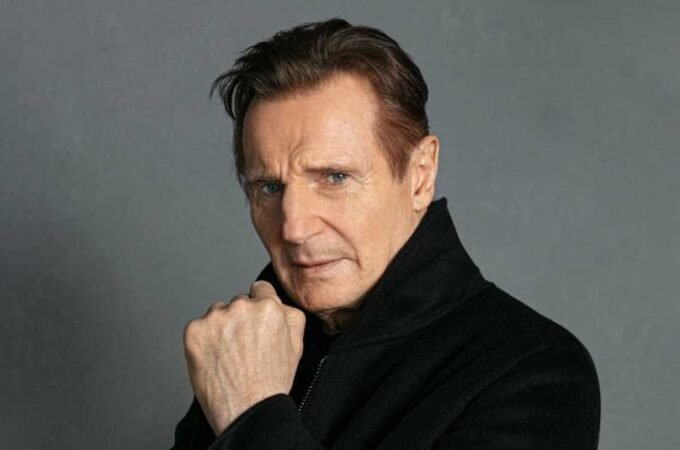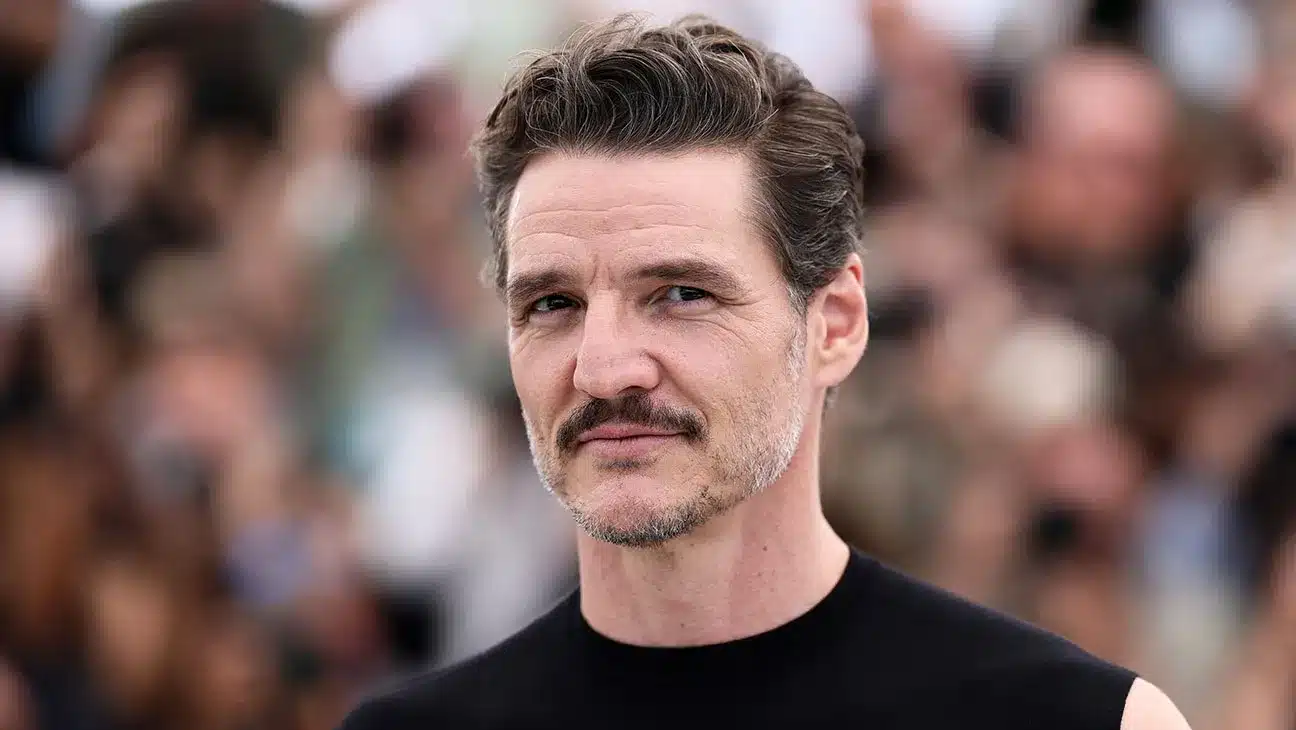
Pedro Pascal: The Actor Who Redefined Modern Masculinity
In recent years, Hollywood has undergone a noticeable transformation in how male characters are written and portrayed. Audiences are increasingly drawn to stories that reflect emotional depth, vulnerability, and authenticity rather than outdated ideas of toughness and emotional detachment. At the center of this shift stands Pedro Pascal, an actor whose performances have helped redefine modern masculinity on screen. Through his nuanced roles, Pascal has challenged traditional stereotypes and presented a more balanced, emotionally intelligent, and human version of male strength.
Pedro Pascal’s rise is not merely the story of an actor achieving fame; it reflects a cultural evolution in how masculinity is understood and celebrated. His characters resonate because they feel real — shaped by loss, responsibility, fear, and love — qualities that modern audiences recognize in themselves.
Pedro Pascal’s Origins: A Life Shaped by Culture and Change
Pedro Pascal was born José Pedro Balmaceda Pascal in Santiago, Chile. His early life was marked by political upheaval, as his family fled the country during the Pinochet dictatorship and later settled in the United States. Growing up in a new country while holding onto his cultural roots shaped Pascal’s understanding of identity, resilience, and adaptation.
This experience of displacement and rebuilding had a profound influence on his worldview. From an early age, Pascal learned the importance of perseverance and emotional strength — lessons that would later define his acting style. Rather than fitting into a single cultural mold, he developed a layered identity that allowed him to approach characters with empathy and emotional awareness.
Unlike many actors who experience overnight success, Pascal’s journey was gradual. He studied acting, worked in theatre, and appeared in small television roles for years. These formative experiences helped him build a strong foundation, allowing him to approach fame with humility and depth rather than entitlement.
Challenging Traditional Masculinity in Hollywood
For decades, Hollywood masculinity was built around rigid expectations. Male characters were often portrayed as emotionally distant, physically dominant, and unshaken by trauma. Vulnerability was rarely shown, and emotional expression was often framed as weakness.
Pedro Pascal challenged these conventions by choosing roles that embraced emotional complexity. His characters are not defined by invincibility but by internal struggle and moral conflict. This shift has helped reshape how masculinity is portrayed in mainstream entertainment.
Pascal does not reject strength; instead, he redefines it. His performances show that true strength lies in emotional honesty, accountability, and the willingness to care deeply for others.
Oberyn Martell: Confidence Without Cruelty
Pascal’s breakout role as Oberyn Martell in Game of Thrones marked an important moment in his career. Oberyn was confident, charismatic, and formidable, yet guided by deep loyalty and emotional openness. Unlike many male characters in the series, Oberyn expressed affection openly and was driven by love for his family rather than hunger for power.
This portrayal stood out because it balanced strength with sensitivity. Oberyn’s masculinity was not rooted in dominance or fear but in self-assurance and emotional freedom. The role demonstrated Pascal’s ability to bring depth to characters who could have easily become one-dimensional.
The Mandalorian: Strength Through Responsibility
In The Mandalorian, Pedro Pascal took on a role that initially appeared rooted in traditional masculinity. His character is a lone warrior, armored and silent, navigating a dangerous world. However, as the story unfolds, the true essence of the character emerges through his evolving sense of responsibility and care.
The relationship between the Mandalorian and Grogu becomes the emotional core of the series. Pascal conveys transformation not through dialogue, but through subtle movement and restraint. His character learns to protect, nurture, and ultimately sacrifice — redefining strength as responsibility rather than domination.
This portrayal resonated strongly with audiences, proving that masculinity can be quiet, patient, and deeply emotional without losing its power.
The Last of Us: Vulnerability at the Center
Perhaps Pedro Pascal’s most defining role in redefining modern masculinity is Joel Miller in The Last of Us. Joel is a man shaped by grief, trauma, and moral ambiguity. Rather than presenting him as a flawless hero, the series allows him to remain deeply broken.
Pascal’s portrayal emphasizes emotional scars rather than physical toughness. Joel struggles with fear, attachment, and the burden of survival. His love is protective but flawed, and his decisions are driven by emotion rather than logic.
By allowing Joel to express grief, hesitation, and emotional collapse, Pascal challenges the long-standing idea that men must suppress pain. This portrayal resonated deeply with viewers, making Joel one of the most emotionally complex male characters in recent television history.
Emotional Intelligence as Modern Strength
One of the defining aspects of Pedro Pascal’s work is his emphasis on emotional intelligence. His characters listen, observe, and reflect. They make mistakes and live with the consequences. Rather than presenting masculinity as dominance, Pascal presents it as emotional resilience and growth.
This approach aligns with modern cultural values, where emotional awareness is increasingly recognized as a form of strength. Pascal’s performances validate the idea that men can be compassionate, conflicted, and emotionally expressive without losing respect or authority.
Public Persona and Authenticity
Off screen, Pedro Pascal’s personality reinforces the values he portrays in his work. In interviews and public appearances, he comes across as thoughtful, humorous, and self-aware. He avoids projecting an image of untouchable celebrity confidence and instead embraces authenticity.
This relatability has strengthened his connection with audiences. Fans admire not only his talent but also his openness and humility. His public presence feels consistent with his on-screen roles, adding credibility to the messages his performances convey.
Why Pedro Pascal Resonates With Modern Audiences
Pedro Pascal resonates because he reflects real human experience. His characters are shaped by fear, love, loss, and responsibility — emotions that feel universal. In a time when audiences crave authenticity, his performances feel honest rather than exaggerated.
He represents a version of masculinity that values growth over perfection and empathy over control. His popularity signals a broader shift in storytelling, where male characters are allowed depth, contradiction, and emotional presence.
Redefining Masculinity for the Future
Pedro Pascal’s influence extends beyond individual roles. By consistently choosing characters that challenge stereotypes, he has helped expand the definition of masculinity in popular culture. He demonstrates that strength can coexist with tenderness and that courage often lies in emotional honesty.
As film and television continue to evolve, Pascal stands as a symbol of progress — proving that masculinity does not need to be rigid to be powerful.
Conclusion
Pedro Pascal has redefined modern masculinity by portraying men who are emotionally complex, morally conflicted, and deeply human. Through roles in Game of Thrones, The Mandalorian, and The Last of Us, he has reshaped expectations of male protagonists and challenged outdated stereotypes.
Both on and off screen, Pascal represents a balanced and emotionally honest version of masculinity — one rooted in empathy, responsibility, and authenticity. His impact goes beyond entertainment, influencing how audiences understand strength in the modern world.