Leonardo DiCaprio: Biography, Career & Early Life Journey
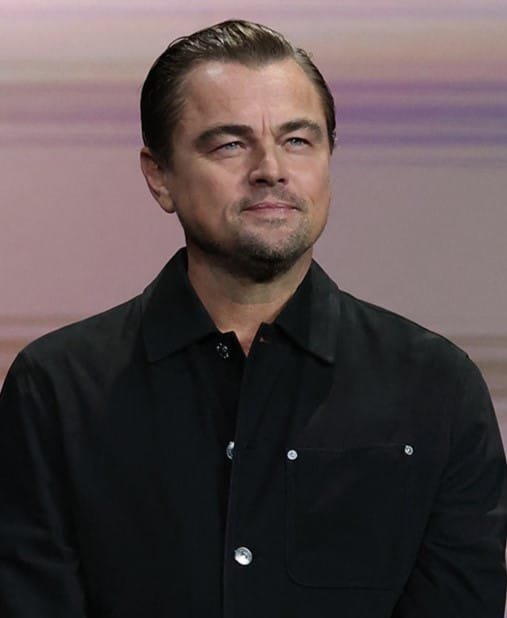
Leonardo DiCaprio — born November 11, 1974 — stands out as one of the most influential and versatile actors of his generation. From humble beginnings as a child actor to becoming a global cinematic icon, his life and career reflect not just talent, but relentless ambition, transformation, and a dedication to craft. This article offers a deep dive into his early life, career milestones, and the journey that shaped him into the star we know today.
Early Life & Family Background of Leonardo DiCaprio
Leonardo Wilhelm DiCaprio was born in Los Angeles, California on November 11, 1974. He is the only child of George DiCaprio, a former underground comic-book artist/distributor, and Irmelin Indenbirken, a German legal secretary. His diverse heritage (Italian-American on his father’s side, and German on his mother’s) set the stage for a multicultural upbringing.
His name “Leonardo” carries an interesting origin — his mother was reportedly looking at a painting by Leonardo da Vinci when she felt her unborn child kick, and she named him after the famous artist.
Leonardo’s childhood was not easy. His parents divorced when he was young, and he and his mother moved around within Los Angeles (including neighborhoods such as Echo Park and Los Feliz). In various interviews, DiCaprio has described growing up in a neighborhood with crime and instability, which contributed to shaping his early sense of reality and hardship.
As a kid, Leonardo was imaginative and energetic. He enjoyed impersonating people, acting out scenes, and mimicking others — all of which hinted at a budding interest in performance. At one point, he even considered becoming a marine biologist or traveling the world; but eventually, acting won out.
First Steps in Acting: From Commercials to Telvision (1980s–early 1990s)
Leonardo’s entry into acting began at a very young age. As a child, he appeared in commercials — for brands like Matchbox cars, among others — marking his first exposure to the entertainment industry.
His earliest recorded television role came at age 5 on the children’s show Romper Room. During his adolescence, he was involved in multiple commercials and educational films, slowly building his experience in front of the camera.
By the late 1980s and early 1990s, DiCaprio began appearing in more legitimate television work. He had small roles in shows such as The New Lassie (1989) and a minor role in Santa Barbara (1990).
Then came his first substantial break: in 1991, he landed a recurring role on the popular sitcom Growing Pains as Luke, a homeless teen adopted into a loving family.
Around this time, DiCaprio dropped out of high school to focus on his acting career — although he eventually earned a general equivalency diploma.
Breakthrough in Film & Rise to Stardom (1990s)
Transitioning from TV to film, Leonardo began to make his mark in Hollywood in the early ’90s. His early movie roles included coming-of-age and drama films that showed a depth beyond his youthful appearance.
A notable early breakthrough was in What’s Eating Gilbert Grape (1993), where his portrayal of a young man with developmental disability earned critical praise and his first Academy Award nomination (Supporting Actor).
Throughout the mid-1990s, DiCaprio continued exploring varied genres: romance, drama, tragedy — all of which helped him shed the image of a “child actor.” He starred in films like Romeo + Juliet (1996), which showcased his ability to carry emotionally intense, dramatic roles.
Then came his global breakthrough: Titanic (1997). As the charming and romantic Jack Dawson, DiCaprio captured hearts worldwide. The blockbuster’s overwhelming success turned him into an international superstar overnight.
With Titanic, DiCaprio proved he could headline a major film and carry it to global success — a feat many actors strive for but few achieve.
Career Maturation: Collaborations, Critical Acclaim & Diverse Roles (2000s–2010s)
After the “Titanic” phenomenon, DiCaprio demonstrated that he was more than a romantic lead. He began working on a variety of projects across genres: thrillers, biopics, dramas, and more.
He started a fruitful collaboration with legendary director Martin Scorsese — together they made films like The Aviator (2004), Gangs of New York (2002), and The Departed (2006).
In “The Aviator,” DiCaprio portrayed aviation pioneer and business magnate Howard Hughes, blending ambition, brilliance, and vulnerability — a role that further solidified his reputation as a serious actor.
In “The Departed,” he played an undercover cop — gritty, intense, conflicted — showing he could handle crime thrillers as convincingly as romance or historical drama.
He also starred in other powerful films: thought-provoking thrillers, dramas, and character-driven stories that allowed him to stretch his acting muscles.
Accolades, Awards & Peak of Stardom
Over the years, DiCaprio’s consistent performance earned him critical acclaim. Despite multiple nominations, it took some time before he won his first major acting award. Many of his early performances, though praised, didn’t immediately translate into Oscars.
Eventually, he clinched the coveted Academy Award for Best Actor for his role in The Revenant (2015), playing a frontiersman who survives extreme hardship.That win marked a turning point: it affirmed that DiCaprio wasn’t just a blockbuster star — he was a respected actor of serious, global calibre.
Since then, he has balanced big-budget films, artistic ventures, collaborations with influential directors, and projects that reinforce his versatility and depth.
Explore more articles on our website : Click here
Beyond Acting: Personality, Values & Legacy
Leonardo DiCaprio’s upbringing — modest, a bit chaotic, with early hardship — seems to have shaped not only his acting but also his worldview. Growing up in modest circumstances amidst adversity likely instilled in him a strong sense of empathy, realism, and dedication.
Through his career, he’s shown courage in choosing complex roles, embracing transformations, and avoiding typecasting. Rather than sticking to one genre or comfort zone, he’s embraced a broad spectrum — romance, drama, thrillers, biopics, dark comedies. This versatility has ensured his relevance across decades.
Moreover, his journey from child-actor to Oscar-winning star serves as inspiration for many aspiring actors: the importance of perseverance, growth, and willingness to evolve with each role.
Why His Story Resonates — What We Learn from DiCaprio’s Journey
- Humble beginnings don’t define your end — DiCaprio’s early life had challenges, but he used them as fuel.
- Early exposure + perseverance — from commercials and small TV roles, he kept going despite rejections and uncertainty.
- Versatility matters — rather than sticking to one kind of role, he diversified, which broadened his horizons and range.
- Growth through challenge — tackling demanding roles and collaborating with top-tier directors elevated his craft.
- Patience & consistency pay off — even after many years and nominations, he waited for the right moment to win major awards.
Conclusion
Leonardo DiCaprio’s life story — from a kid with a vivid imagination living in Los Angeles to one of the world’s most acclaimed film actors — is a vivid illustration of ambition, resilience, and talent. His journey encompasses raw beginnings, early hardships, small commercials, teenage TV roles, breakout films, collaborations with great filmmakers, and finally global stardom.
But beyond fame and awards, what stands out is his commitment to growth, flexibility as an actor, and the courage to take on challenging, nuanced roles. For anyone dreaming big — not just in cinema — DiCaprio’s story underscores the power of persistence, self-belief, and relentless dedication to craft.