Liam Neeson: The Man Hollywood Calls When Things Get Dark
There are movie stars who entertain, and then there are movie stars who command. Liam Neeson belongs firmly in the second category. When Hollywood needs gravity, menace, sorrow, or quiet authority—when a story drifts into moral shadows and emotional weight—it calls Liam Neeson. His presence signals something deeper than spectacle: a film where consequences matter, where pain feels earned, and where silence can be as powerful as violence.
Over the decades, Neeson has carved out a unique space in cinema, becoming the face of characters who stand at the edge of darkness without ever fully surrendering to it.
Liam Neeson and the Voice That Carries Consequences
Before discussing his roles, it’s impossible to ignore Neeson’s voice. Deep, steady, and resonant, it carries a sense of inevitability. When Liam Neeson speaks on screen, it doesn’t feel like dialogue—it feels like a warning. That vocal authority alone can shift the emotional temperature of a scene.
This is why Hollywood often places him in roles involving power: mentors, avengers, leaders, fathers, protectors. His voice doesn’t beg for attention; it assumes it. In darker films, this quality becomes essential. Neeson doesn’t need frantic movement or explosive delivery. Calm confidence is far more unsettling—and far more effective.
From Prestige Drama to Shadowed Roles
Liam Neeson’s early career was defined by seriousness and restraint. He built his reputation in theatre and prestige cinema, earning critical respect long before mainstream stardom. Films like Schindler’s List showcased his ability to embody moral complexity without theatrics. His portrayal of Oskar Schindler wasn’t loud or sentimental—it was measured, conflicted, and painfully human.
This foundation is what later allowed Neeson to dominate darker genres. Unlike actors who transition into action purely through physicality, Neeson brought emotional depth with him. His characters didn’t fight because it looked impressive; they fought because something had been taken from them.
The Accidental Action Icon
When Taken was released, few expected it to redefine Liam Neeson’s career. At an age when many actors slow down, Neeson transformed into a modern action icon almost overnight. But what made Taken different wasn’t the choreography—it was conviction.
His character, Bryan Mills, wasn’t flashy or sarcastic. He was methodical, efficient, and emotionally driven. The famous phone-call scene worked not because of threats, but because Neeson delivered it without exaggeration. He sounded like a man stating facts, not making promises.
From that moment on, Hollywood realized something: Liam Neeson was most powerful when the stakes were personal and the tone was dark.
Why Darkness Fits Him So Well
Not every actor can convincingly inhabit bleak emotional territory without becoming overdramatic. Neeson’s strength lies in restraint. He plays men who are tired, burdened, and often haunted by past decisions. These are characters who don’t seek violence but are capable of it when forced.
Hollywood calls Neeson when a film requires:
- Moral ambiguity
- Emotional loss
- Controlled aggression
- Authority without arrogance
His characters often live in grey areas—former criminals, grieving fathers, reluctant killers, or flawed heroes. They aren’t chasing glory. They’re reacting to chaos.
This makes Neeson especially effective in thrillers and revenge narratives. Darkness doesn’t overwhelm him; it sharpens him.
Grief as a Driving Force
One recurring theme in Liam Neeson’s darker roles is grief. Loss—of family, innocence, or purpose—often fuels his characters. He portrays grief not as emotional collapse, but as quiet transformation. Pain becomes resolve.
This subtle approach makes his characters relatable. Audiences believe him not because he’s unstoppable, but because he’s hurting. His performances suggest that darkness doesn’t create strength—it reveals it.
In many films, Neeson’s characters are already broken before the story begins. The plot simply pushes them to confront what remains.
Aging Without Losing Power
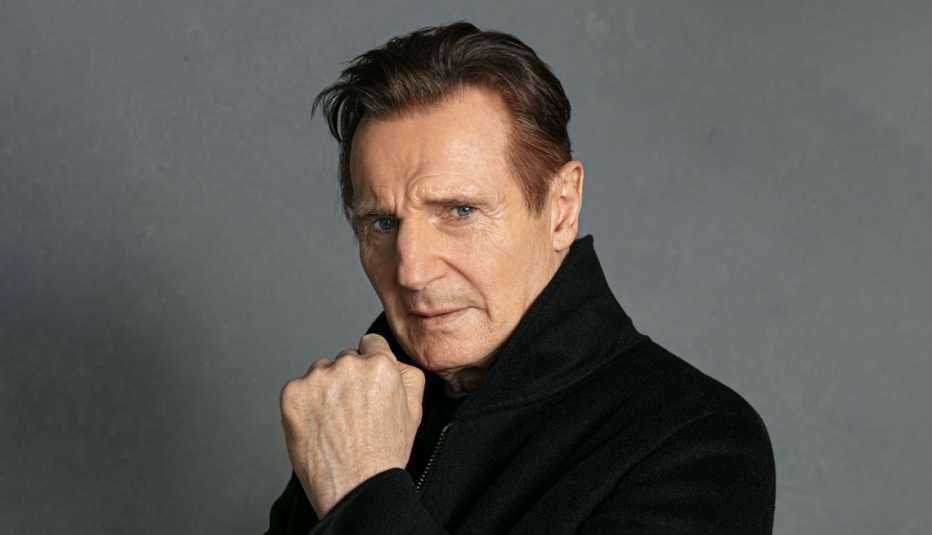
One of the most remarkable aspects of Neeson’s career is how he has aged into darkness rather than away from relevance. Unlike many action stars whose appeal depends on youth, Neeson’s power increases with time. His age adds credibility to his fatigue, his seriousness, and his emotional scars.
Hollywood doesn’t cast him to play invincible superheroes. It casts him to play men who survive through experience. His aging face tells stories before he speaks. Wrinkles become history. Silence becomes threat.
This is why his later performances often feel heavier and more grounded than those of younger stars.
Not a Hero—A Presence
Liam Neeson is rarely the kind of hero audiences cheer loudly for. He’s the hero they trust. He represents order in chaos, justice without speeches, and strength without bravado.
In dark films, this matters. Audiences don’t want exaggerated saviors; they want believable ones. Neeson provides that realism. He doesn’t dominate scenes through action alone—he dominates through presence.
Even when a film itself is flawed, Neeson’s commitment often elevates it. His seriousness convinces audiences that the story matters, even when the script struggles.
Why Hollywood Keeps Calling Him
Hollywood calls Liam Neeson when a film needs:
- Emotional credibility
- A commanding lead who doesn’t overact
- Darkness balanced with humanity
- A character who feels dangerous without being cruel
He has become a cinematic shortcut for tone. Cast Liam Neeson, and the audience immediately understands what kind of movie this will be.
That reliability is rare.
A Legacy Built in Shadow
Liam Neeson’s legacy isn’t built on franchises or flashy universes. It’s built on mood, weight, and trust. He represents a kind of masculinity that is calm, responsible, and morally aware—especially in dark settings.
As cinema continues to evolve, Neeson remains a constant: the man Hollywood calls when stories grow heavier, when emotions deepen, and when darkness needs a steady hand.
He doesn’t chase the dark.
The dark finds him—and trusts him to carry it.