Pravi Celer: Nature’s Secret for a Healthier Body, Better Energy, and Everyday Wellness
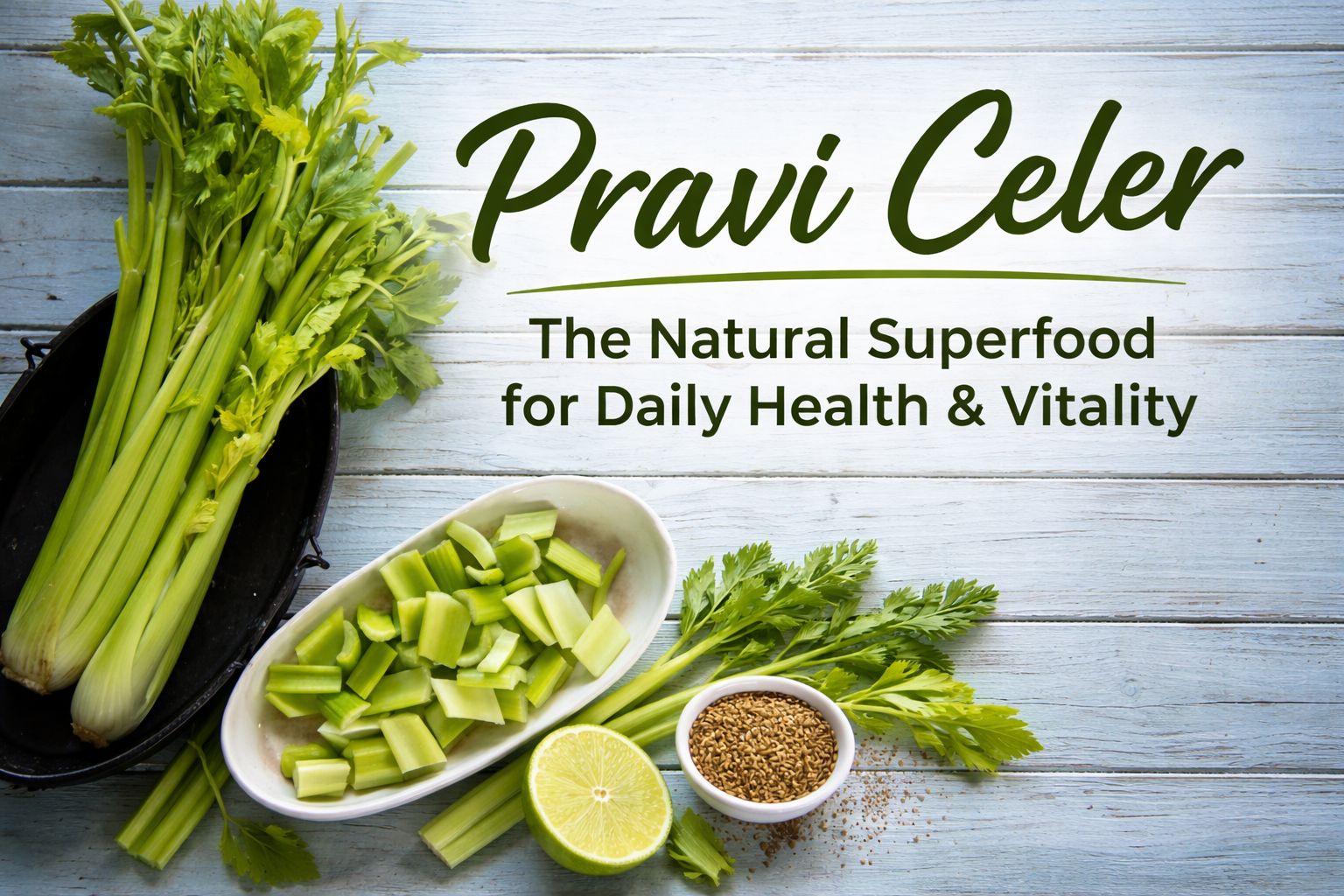
Pravi Celer: The Natural Superfood for Daily Health and Vitality
“Pravi celer” literally means “true celery” – in other words, it refers to celery in its pure, natural form (Apium graveolens). Celery is a crisp, green stalk vegetable in the Apiaceae family that originated in the Mediterranean and Middle East. Cultivated for over 2,000 years, celery is now grown worldwide. While celeriac (celery root) and celery seed are related, “pravi celer” simply means the fresh stalks and leaves. In many Balkan and Mediterranean cuisines, celery stalks and leaves are routinely added to soups, stews, salads and side dishes. For example, a traditional Balkan recipe braises celery with lemon and olive oil as a savory side dish. Across cultures, celery is prized for its distinctive flavor and crunchy texture, but it also packs an impressive nutritional punch.
Nutritional Profile of Celery
Celery is exceptionally low in calories yet surprisingly nutrient-rich. About two medium celery stalks (~100 g) provide only ~15 calories, thanks to their high water content (about 95%). This makes celery an ideal hydrating snack that can fill you up without excess calories. The stalks and leaves contain significant amounts of vitamins and minerals, including:
- Fiber: Celery provides both soluble and insoluble fiber (~1–2 g per cup). Dietary fiber adds bulk to the diet, slowing digestion and helping to regulate bowel movements. This fiber (mostly cellulose and polysaccharides) also feeds gut bacteria and supports digestive health.
- Vitamins: Celery is rich in vitamin K (phylloquinone). In fact, one 10‑oz (300 mL) cup of fresh celery juice supplies about 75% of the daily value for vitamin K. It also contains vitamin C, vitamin A (as beta-carotene), folate (B9), and smaller amounts of B-vitamins (B2, B6, pantothenic acid). For example, raw celery’s vitamin C and beta-carotene act as antioxidants and may support immune and skin health.
- Minerals: Celery provides potassium (nearly 20% of DV per stalk), as well as calcium, magnesium, and phosphorus. These minerals support nerve, muscle and bone function. Celery also naturally contains sodium (around 75–100 mg per cup), making it a low-sodium vegetable unless consumed in very large volumes.
- Phytonutrients: Perhaps most notably, celery contains a variety of plant compounds (phenolics and flavonoids) with antioxidant properties. These include caffeic acid, ferulic acid, p-coumaric acid, luteolin, apigenin, tannins, saponins, and kaempferol. An antioxidant review notes that “celery, because of compounds such as caffeic acid, p-coumaric acid, ferulic acid, apigenin, luteolin… has powerful antioxidant characteristics”. Such antioxidants help neutralize free radicals and reduce oxidative stress in the body.
In summary, per calorie, celery delivers fiber plus vitamins (especially K, A, C), minerals (K, Mg, Ca), and protective plant compounds. Its crunchy stalks are mostly water but carry a surprisingly diverse nutrient package.
Main Health Benefits of Pravi Celer
Below are key ways that pure celery can support health. Scientific studies and nutrition analyses provide evidence for many of these benefits, though it’s important to distinguish proven effects from popular claims (see Detox myth below).
Digestive Health and Hydration
- High Water and Fiber Content: Celery is about 95% water, making it extremely hydrating. Eating water-rich vegetables like celery helps maintain fluid balance, supporting kidney and skin health. The combination of water and fiber also helps move food through the digestive tract. Fiber absorbs water and softens stool, which can prevent constipation and promote regular bowel movements. In practice, snacking on celery sticks (with or without a dip) or adding chopped celery to salads and stews provides gentle bulk to the diet.
- Gut-supportive Nutrients: In addition, celery contains nutrients that may benefit the gut. Vitamin C and beta-carotene in celery can increase production of anti-inflammatory compounds in the gut lining. Celery’s natural sugars and polysaccharides may also have prebiotic effects, though research is limited. (Notably, celery juice removes most fiber, so unstrained juice offers more digestive benefit than strained juice.)
- Alkaline Nature: While not a rigorous medical concept, celery is often considered an “alkaline” food, meaning it’s low in acid. This can help maintain a healthy digestive pH and may soothe acid reflux in some people.
Anti-Inflammatory and Antioxidant Effects
Celery contains several compounds that have been shown in studies to reduce inflammation and scavenge free radicals:
- Flavonoids and Polyphenols: Compounds like apigenin, luteolin, and ferulic acid (all found in celery) are powerful antioxidants. They neutralize harmful free radicals and inhibit inflammatory pathways. For instance, a review notes that these phytochemicals give celery “powerful antioxidant characteristics”. Inflammation is a root contributor to chronic diseases (heart disease, diabetes, etc.), so antioxidants in celery can help protect cells from oxidative damage.
- Laboratory Studies: Experimental research has demonstrated anti-inflammatory activity from celery extracts. In lab models, celery leaf and stem extracts suppressed inflammatory responses – for example, they reduced swelling (edema) and lowered pro-inflammatory cytokines in rodent studies. Celery extracts inhibited production of nitric oxide (a marker of inflammation) in immune cells, suggesting celery compounds target pathways of inflammation. Other animal studies report that celery reduces markers of edema and tissue inflammation.
- Phytonutrient Synergy: The combination of vitamins A, C and polyphenols in celery amplifies its antioxidant capacity. As Cleveland Clinic experts note, celery’s vitamin C “gives it antioxidant properties,” and its flavonoids “act like shields, protecting your cells from damage caused by inflammation”.
In summary, regular consumption of celery (especially leaves and seeds, which are richest in phytonutrients) can help lower chronic inflammation. This does not mean celery cures inflammatory diseases, but as part of an anti-inflammatory diet it can contribute beneficially.
Cardiovascular and Blood Pressure Support
Celery may promote heart health through multiple mechanisms:
- Phthalides – Natural Vasodilators: Celery contains compounds called phthalides (notably 3-n-butylphthalide) that can relax the smooth muscles of blood vessel walls. In doing so, phthalides help dilate arteries and improve blood flow. For example, Cleveland Clinic notes that these phytochemicals can “relax the muscles in the walls of your blood vessels and lower blood pressure”. Likewise, a recent review concludes that celery’s phthalides and flavonoid apigenin act as “diuretics and vasodilators,” functioning similarly to calcium-channel blocker drugs in lowering blood pressure.
- Diuretic Effect: Celery has a mild diuretic action (increasing urine output), which can also reduce blood volume and pressure. However, unlike prescription diuretics, celery’s effect tends to maintain electrolyte balance (it won’t typically cause dangerous potassium loss).
- Blood Lipids: Some studies suggest celery can modestly lower blood lipid levels. In cell and animal research, celery compounds have been found to reduce triglycerides and LDL (“bad”) cholesterol. These effects help strengthen cardiovascular health.
- Human Evidence: Importantly, human studies back up celery’s blood-pressure benefits. A narrative review of trials reported that several interventions (involving celery seed or leaf) produced significant drops in blood pressure. One clinical trial in hypertensive volunteers found measurable blood pressure reductions with celery extract. (That said, effects can vary by dose and preparation.)
Overall, celery acts on multiple fronts to support the heart: it provides nutrients (potassium helps regulate blood pressure, and fiber binds cholesterol), antioxidants (protect vessels), and unique phytochemicals that directly relax arteries. Regularly including celery in a heart-healthy diet (e.g. as part of the DASH diet) can complement other measures to control blood pressure.
Weight Management and Metabolic Health
Because it is so low in calories and high in fiber and water, celery is often touted as a weight-loss food. What does the science say?
- Low Calorie & High Satiety: Celery contains about 10–15 calories per large stalk. Snacking on crunchy celery gives volume to your meals and helps you feel full without adding many calories. Its fiber content (about 1.6 g per cup) slows digestion, which prolongs satiety. Thus, using celery as a snack or appetizer (with or without a small healthy dip) can curb hunger between meals. As one nutrition guide notes, celery “is composed mainly of water and contains only 9 calories per large stalk, making it a great snack to help maintain hydration and keep you feeling full”.
- “Negative Calorie” Myth Debunked: A popular myth claims eating celery burns more calories than it provides (a “negative calorie food”). In reality, a study measuring the energy cost of digesting celery found the effect is nearly neutral. In that experiment, participants consumed 100 g of celery (16 kcal) and burned about 13.8 kcal during digestion. Thus only ~86% of the celery’s calories were expended as extra metabolic activity. Although celery did not create a net loss in calories, the researchers noted that its high fiber and water content still make it an excellent snack for weight management.
- Clinical Data: In a small 12-week clinical trial in overweight adults, adding a celery supplement (750 mg celery powder daily) along with a low-calorie diet led to a significant reduction in body fat percentage. (The overall body weight and metabolic markers did not differ significantly, but the drop in fat percentage was statistically meaningful.) This suggests that celery’s properties may assist weight-loss efforts when combined with calorie control, though the effect was modest.
- Metabolic Benefits: Celery may also support healthy metabolism. It has been shown to help regulate blood glucose and insulin signaling in animal studies, and its anti-inflammatory compounds can improve metabolic pathways. While human data are limited, celery’s nutrient profile (fiber, water, phytochemicals) is consistent with improved metabolic health as part of an overall balanced diet.
In short, while celery is not a magic bullet for weight loss, it is a diabetes- and weight-friendly food. Its crunchy stalks can replace higher-calorie snacks and add satisfying bulk to meals. Dietitians note that substituting celery for a higher-calorie food or adding celery to meals supports a healthy weight because of its fiber and nutrient-to-calorie ratio.
Detoxification (Fact or Fiction?)
Some proponents claim that “celery detoxifies” the body or purifies the blood. This is a misconception not supported by evidence. Our body’s main detox organs are the liver, kidneys, lungs and skin. No food – not even celery – can do the liver’s work for it. In fact, health experts at Cleveland Clinic and other institutions caution that celery juice or stalks are not a cure-all detox.
For example, Medical News Today reports there is “insufficient evidence to suggest drinking celery juice…helps remove toxins from the body.”. Similarly, Healthline notes flatly that “there is no evidence that celery juice detoxifies your body” and reminds us we already have natural detox systems. In moderation, celery’s antioxidants and hydration support liver and kidney health, but don’t “cleanse” your body of all impurities.
Bottom line: Don’t rely on celery alone for detox. A balanced diet, plenty of water, and healthy lifestyle habits are what keep your body’s detox organs humming. Celery can be one part of a clean diet (it’s high in nutrients and water), but any claims of “flushing toxins” are overblown.
Incorporating Pravi Celer into Your Diet
Celery is versatile. Here are simple ways to enjoy pravi celer daily:
- Raw Snacking: Eat celery stalks plain or with healthy dips. Its crisp texture makes it a popular snack vehicle. Try stuffing the natural grooves (“ant’s on a log”) with nut butter and a few raisins. Fresh celery sticks also brighten salads, chicken or tuna salad, and veggie trays. Note: Celery leaves are edible and nutritious – chop them into salads or soups instead of discarding them. Raw celery retains maximum vitamin content and fiber.
- Juicing: Celery juice has become trendy. You can juice celery stalks (alone or mixed with other fruits/veggies) as a hydrating drink. One 8-oz glass of 100% celery juice provides around 30–50 calories and a large dose of vitamins K, C and folate. However, juicing removes most of the fiber, so it’s less filling than eating whole stalks. If you juice celery, it’s best as a supplement to a balanced diet (not a meal replacement). Experts recommend not heavily straining celery juice to preserve some fiber, or simply blending celery with water for a smoothie. Always wash celery thoroughly before juicing to reduce pesticide residues.
- Cooked Dishes: Celery adds flavor to countless recipes. It’s a classic ingredient in “mirepoix” (French base of celery, carrot, onion) or “sofrito” (similar in Italian/Spanish cooking) which forms the flavor base for soups, stews, sauces and braises. Celery softens when cooked, releasing its subtle savory flavor. Try adding sliced celery to vegetable soup, chicken noodle soup, stir-fries, or casseroles. In Mediterranean cuisine, celery is used in braises and even in Greek salads. For example, Balkan Braised Celery is a traditional side dish where celery is gently simmered in olive oil, lemon juice and herbs. Celery root (celeriac), a bulbous relative, can also be grated raw into slaws or cooked into stews.
- Seasonings: Don’t overlook celery seeds or salt. Celery seeds (ground or whole) can spice up dressings and marinades, and contain concentrated apigenin. Celery salt (made from ground celery leaves/seeds and salt) adds flavor to salads and beverages (think Bloody Marys). These have similar nutrients to stalks, though in small amounts.
In general, eat celery however you enjoy it most – raw crunch, blended juice, or cooked for softness. The health benefits (hydration, nutrients, fiber) are there in each form. Just remember not to rely on juice alone: whole celery (raw or lightly cooked) provides the full package of fiber and nutrients.
Cultural and Regional Uses of Celery
Celery’s culinary roots run deep. Native to the Mediterranean, it has long featured in regional diets across Europe and the Middle East. In Mediterranean cuisine, celery is often eaten raw as an appetizer or in salads, sautéed with garlic and herbs, or stewed with tomatoes and olives. Classic Italian soffritto and French mirepoix both include celery stalks. In Balkan cooking, celery is prized for its fresh taste; dishes like celerina (braised celery) and hearty soups often list celery as a key ingredient. The Food52 recipe “Balkan Braised Celery” highlights this tradition: celery is cooked slowly with olive oil, lemon and sugar, served hot or cold as a savory side. Celery also appears in Greek dishes (for example, in chicken-lemon soups and Greek celery salad) and in Middle Eastern stews.
In Slavic languages, the word for celery (e.g. celer in Serbian/Croatian) is similar to Pravi Celer, indicating its status as a familiar kitchen vegetable. In Serbia, Croatia, Bosnia and surrounding regions, fresh celery stalks and leaves are commonplace in home cooking and are even used in traditional medicinal teas or broths. Thus, “pravi celer” is not just a health fad – it’s a natural continuation of a longstanding Mediterranean/Balkan food tradition.
Potential Cautions and Contraindications
For most people, enjoying celery is safe and beneficial. However, a few cautions are warranted:
- Allergies and Sensitivities: Celery is a known allergen for some individuals. People with celery allergy may experience itching or swelling of the mouth and throat (oral allergy syndrome), skin rashes, or in severe cases full-body anaphylaxis. Celery allergy often coexists with pollen allergies (e.g. birch, mugwort), and can be triggered by any form – raw, cooked, or even spice form. Those with known celery allergy must avoid it entirely, as cooking does not completely destroy the proteins that cause reactions. Food products in Europe are legally required to label celery due to its allergenic potential.
- Photosensitivity: Celery contains naturally occurring furocoumarins and psoralens, compounds that can make the skin sensitive to UV light. Direct skin contact with celery juice or handling large quantities of celery (especially with cracked skin) can, followed by sun exposure, trigger phytophotodermatitis – a painful skin rash/blistering reaction. (This effect is more a concern for agricultural workers or in folk remedies than for normal dietary use.) One case series even reported severe sunburn in celery farmers or when celery (infected by fungus) was consumed in soup. To be safe, wash hands after cutting celery and avoid leaving wet celery juice on exposed skin.
- High Sodium in Juices: If you drink celery juice regularly, note its sodium content. One cup of fresh celery juice has about 190 mg sodium. For most people this is fine, but if you are on a strict low-sodium diet (e.g. for hypertension or kidney disease), factor this in. In contrast, eating whole celery stalks typically adds less sodium per serving because the bulk dilutes the sodium. Always moderate juice intake and complement it with other low-sodium foods.
- Digestive Upset: Eating very large amounts of raw celery can cause bloating or gas in some individuals, due to its insoluble fiber. If your stomach is sensitive, increase intake gradually and chew well. Pure celery juice (no fiber) is easier on the gut but offers less digestive benefit.
- Medication Interactions: Celery contains vitamin K, which plays a role in blood clotting. A typical serving of celery provides a few percent of the daily vitamin K requirement, which is unlikely to affect most medications. However, if you take anticoagulant drugs (like warfarin) or blood-pressure medications, discuss any major diet changes with your doctor. (There is no strong evidence that normal celery intake interferes with these drugs, but caution is always prudent.)
- Pregnancy and Nursing: Eating culinary amounts of celery is generally safe during pregnancy. However, medicinal doses of celery extracts or essential oils should be avoided. Celery seed oil, in particular, is very concentrated and not recommended for pregnant individuals. Always consult a healthcare provider before using herbal extracts.
- Pesticides: Celery has thin skin and can absorb pesticides. To minimize risk, buy organic or wash conventionally grown celery thoroughly before use.
In summary, pravi celer is very safe for most people, but be mindful if you have allergies or special conditions. Enjoying it as part of a balanced diet is the best approach.
Conclusion
Pravi celer – pure, unprocessed celery – is a nutrient-dense, low-calorie vegetable with a wealth of health benefits. It supplies hydration, fiber, vitamins (especially K and C), minerals, and powerful phytonutrients that together support digestion, reduce inflammation, and bolster cardiovascular health. Modern science confirms many traditional claims: celery’s bioactive compounds (like apigenin and phthalides) act as antioxidants, anti-inflammatories, and mild blood-pressure regulators. While celery juice may be trendy, the same goodness comes from eating the stalks and leaves (with the added benefit of fiber).
Incorporate celery into your daily meals—raw in salads or dips, cooked in soups or stews, or even blended in green smoothies—to enjoy these benefits. Remember that no single food is a miracle cure, but as part of a balanced, whole-foods diet, “pravi celer” can be a simple, natural way to boost overall health and well-being. Its long history in Mediterranean and Balkan cooking speaks to its versatility and nutritional value. With sensible use and attention to the cautions above, celery truly is a “secret” ingredient for sustained energy, better digestion, and everyday wellness.
Read More Blogs: Is Web Development Still a Good Career in the Age of AI?