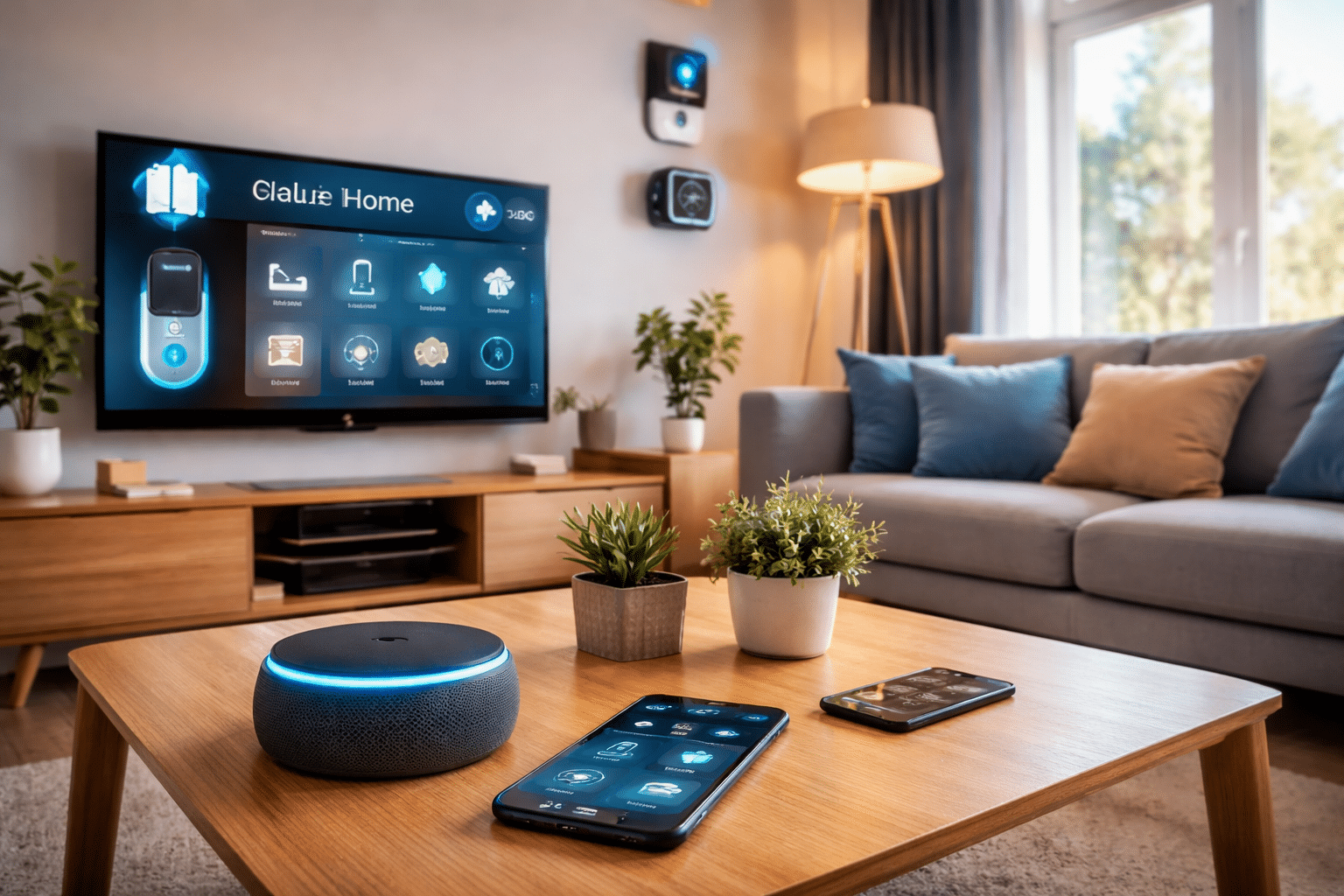
Smart Home Technology: How Innovation Is Transforming Modern Living
Smart Home Technology That Is Changing Modern Living
Smart home technology has rapidly transformed the way people live, interact with their homes, and manage everyday tasks. What was once considered a luxury is now becoming a standard feature in modern households. From voice-controlled assistants to intelligent security systems, smart home solutions are designed to improve comfort, efficiency, safety, and overall quality of life.
This article explores how smart home technology is changing modern living and why more homeowners are embracing intelligent solutions.
What Is Smart Home Technology?
Smart home technology refers to a network of internet-connected devices that allow homeowners to control and automate household functions remotely. These devices communicate with each other through Wi-Fi, Bluetooth, or smart hubs and can be managed using smartphones, tablets, or voice commands.
Common smart home systems include lighting, thermostats, security cameras, appliances, entertainment systems, and energy management tools.
Smart Lighting for Convenience and Energy Efficiency
One of the most popular smart home upgrades is smart lighting. These systems allow users to control lights remotely, schedule on-off times, adjust brightness, and even change colors.
Smart lighting improves energy efficiency by ensuring lights are only used when needed. Motion sensors and automated schedules help reduce electricity consumption while adding convenience and ambiance to modern living spaces.
Smart Thermostats for Comfort and Cost Savings
Smart thermostats learn user preferences and adjust indoor temperatures automatically. They can detect when homeowners are away and optimize heating or cooling accordingly.
By reducing unnecessary energy usage, smart thermostats help lower utility bills while maintaining a comfortable living environment. Many systems also provide energy usage reports, helping homeowners make smarter decisions.
Advanced Home Security Systems
Security is a major reason people invest in smart home technology. Modern smart security systems include video doorbells, motion sensors, smart locks, and real-time surveillance cameras.
Homeowners can monitor their property remotely, receive instant alerts, and control access from anywhere. These systems not only protect against intruders but also provide peace of mind for families, travelers, and remote workers.
Voice Assistants and Smart Home Automation
Voice assistants play a central role in smart home automation. They allow users to control multiple devices using simple voice commands.
From turning off lights to playing music or setting reminders, voice-controlled systems make everyday tasks easier. Automation routines can connect several devices together, creating seamless experiences such as “good morning” or “bedtime” modes.
Smart Appliances for Everyday Living
Smart appliances are changing the way households manage daily chores. Refrigerators can track food inventory, washing machines can be controlled remotely, and smart ovens allow precise cooking control.
These appliances save time, improve efficiency, and reduce waste. With remote monitoring and notifications, homeowners gain better control over household activities even when they are away.
Energy Management and Sustainability
Smart home technology supports sustainable living by optimizing energy usage. Smart plugs, energy monitors, and solar system integrations help homeowners track and reduce power consumption.
By identifying energy-hungry devices and adjusting usage patterns, smart homes contribute to environmental protection while lowering long-term costs.
Improved Safety and Monitoring
Beyond security, smart home devices improve safety inside the home. Smoke detectors, carbon monoxide sensors, and water leak detectors provide instant alerts during emergencies.
Early detection helps prevent major damage and protects residents from potential hazards. This level of monitoring is especially valuable for families with children or elderly members.
Click here for more helpful information and updates.
Remote Access and Control
One of the biggest advantages of smart home technology is remote accessibility. Homeowners can control lighting, temperature, security, and appliances from anywhere in the world.
This flexibility offers convenience and control, ensuring homes remain safe and efficient even when residents are not physically present.
Smart Home Technology and Modern Lifestyles
Modern lifestyles demand convenience, flexibility, and efficiency. Smart home technology aligns perfectly with these needs by simplifying everyday routines.
Remote work, busy schedules, and increased digital dependence have made smart homes more relevant than ever. Intelligent systems help homeowners manage time better while enhancing comfort and functionality.
Future of Smart Home Technology
The future of smart home technology looks promising, with advancements in artificial intelligence, machine learning, and connectivity. Homes are expected to become even more intuitive, predictive, and personalized.
As technology evolves, smart homes will continue to integrate seamlessly into daily life, offering greater automation, improved security, and enhanced sustainability.
Conclusion
Smart home technology is no longer just a trend—it is shaping the future of modern living. From improved security and energy efficiency to unmatched convenience and control, smart homes are redefining how people interact with their living spaces.
As adoption continues to grow, investing in smart home technology is becoming a practical and valuable choice for homeowners. With continuous innovation, smart homes will play an even greater role in creating safer, smarter, and more comfortable living environments.