Understanding Viltnemnda: How Norway Manages Wildlife, Hunting, and Conservation Laws
How Viltnemnda Shapes Wildlife Management, Hunting Policies, and Conservation Efforts Across Norway
Norway’s landscapes are filled with rich wildlife—from moose and red deer to smaller species and large carnivores. With such abundant nature and strong hunting traditions, managing wildlife responsibly is essential. One of the most important local institutions in this system is Viltnemnda, the Wildlife Committee. Though often unseen by the public, it plays a crucial role in balancing human activity with ecological sustainability.
What Is Viltnemnda?
Viltnemnda is a municipal or inter-municipal committee that oversees a wide range of practical tasks related to wildlife. It serves as the local authority responsible for ensuring that animal populations remain sustainable, healthy, and properly managed. This includes everything from coordinating hunting seasons to handling wildlife–vehicle collisions. In many ways, the committee forms a bridge between national environmental authorities, local municipalities, landowners, and hunting organizations.
Unlike national agencies that set general policy, Viltnemnda implements these policies on the ground. This means adapting rules and management strategies to local conditions, wildlife populations, landscapes, and human needs.
Legal Framework for Wildlife Management in Norway
Norway has a strong legal foundation governing how wildlife should be treated and managed. The most central law is The Wildlife Act (Viltloven), which states that all wildlife is a shared national resource. No individual “owns” wild animals; instead, the government and its institutions must ensure that wildlife is used responsibly and sustainably.
Another important law is The Nature Diversity Act (Naturmangfoldloven), which emphasizes the protection of biodiversity and the need for decisions to rely on scientific knowledge, ecological understanding, and caution when information is uncertain. These two laws together form the backbone of Norwegian wildlife policy.
In addition to these, specific regulations detail how hunting should be conducted, which species may be hunted, what equipment is allowed, and when the seasons begin and end. Regulations also address how municipalities must respond to wildlife–vehicle collisions and how data should be collected to improve future management.
How Hunting Is Organized and Managed
Hunting in Norway is highly structured. While the landowner holds the right to hunt on their property, actual management depends on cooperation. Large areas are often merged into hunting zones, called vald, which makes it easier to manage species like moose or red deer that move across wide territories. Viltnemnda participates in reviewing management plans for these areas, ensuring that harvests match population goals.
To obtain hunting rights, hunters must pass the Jegerprøven, a mandatory course and exam that covers safety, laws, ethics, and basic wildlife knowledge. Once certified, the hunter must follow the quotas and rules set for the area they hunt in. These quotas vary each year and are based on data that Viltnemnda helps collect.
Hunting is not only a recreational activity; it is also an important population control measure. Healthy ecosystems require populations that do not grow too large, as overpopulation can lead to disease, starvation, or damage to agriculture and forests. Viltnemnda plays a central role in evaluating population size, animal health, and local challenges, helping municipalities assign appropriate quotas.
Wildlife Monitoring and Conservation Work
Effective wildlife management requires good information. For this reason, Viltnemnda is heavily involved in collecting data. Examples include observations during hunting seasons, measuring harvested animals, logging wildlife accidents, and providing input to national monitoring programs. This ongoing data collection allows authorities to track population trends over time.
In regions with large carnivores such as lynx, bear, wolf, or wolverine, Viltnemnda may also assist in reporting sightings or helping farmers deal with incidents. Although large carnivore management is mainly handled by Rovviltnemnda and the Norwegian Environment Agency, cooperation between all authorities is essential to maintain a balance between conservation goals and local interests.
Managing Human–Wildlife Conflicts
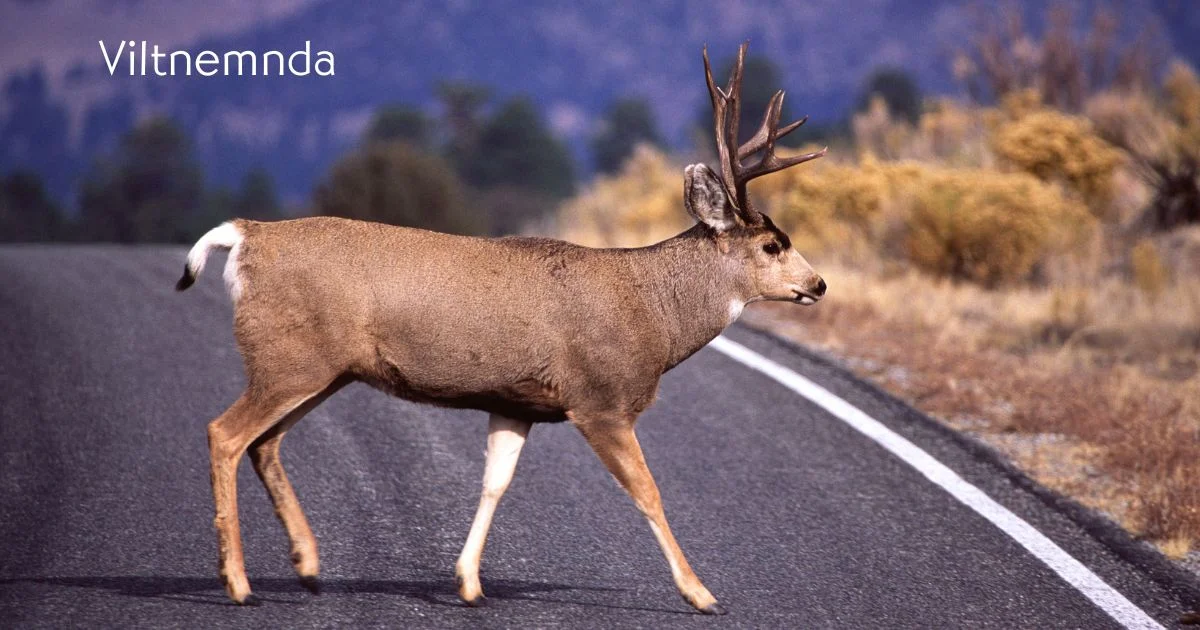
Where wildlife and people coexist, conflicts are inevitable. In Norway, one of the most common issues is wildlife–vehicle collisions, especially involving moose and roe deer. When such accidents occur, Viltnemnda coordinates the response. A trained tracking team is sent to follow the injured animal, ensuring it is either safely recovered or humanely euthanized. This prevents prolonged suffering and maintains ethical standards in wildlife welfare.
Another frequent challenge arises when wildlife damages crops or forests. Moose can eat young pine trees, and deer may graze on agricultural fields. Viltnemnda works with landowners to assess the problem and propose solutions, which might include adjusting hunting pressure, fencing, or altering land-use practices.
In urban areas, it is increasingly common to see deer or moose entering towns. In such cases, Viltnemnda collaborates with the police and municipal staff to determine whether the animal can be guided away or if other measures are necessary to ensure public safety.
Read More Blogs: Why Time Management is Crucial While Solving IBPS PO Previous Year Question Papers
Training and Expertise
Members of Viltnemnda often undergo training in wildlife biology, emergency response, ethical animal handling, and relevant laws. Many municipalities also require additional qualifications for those involved in tracking and handling injured game. This ensures that wildlife is treated with respect and professionalism, in line with Norway’s high standards for animal welfare.
Why Viltnemnda Matters for Norway’s Future
Viltnemnda plays a vital role in maintaining harmony between humans and nature. By combining scientific knowledge, local experience, and legal frameworks, it ensures that wildlife populations remain healthy and that hunting is practiced responsibly. At the same time, it protects farmers, motorists, and urban residents from potential conflicts.
Norway’s wildlife management system is internationally recognized for its balance between conservation and sustainable use. Viltnemnda’s local involvement makes the system adaptive, transparent, and grounded in real-world conditions. As climate change, urban expansion, and ecological pressures grow, the role of Viltnemnda will only become more important.