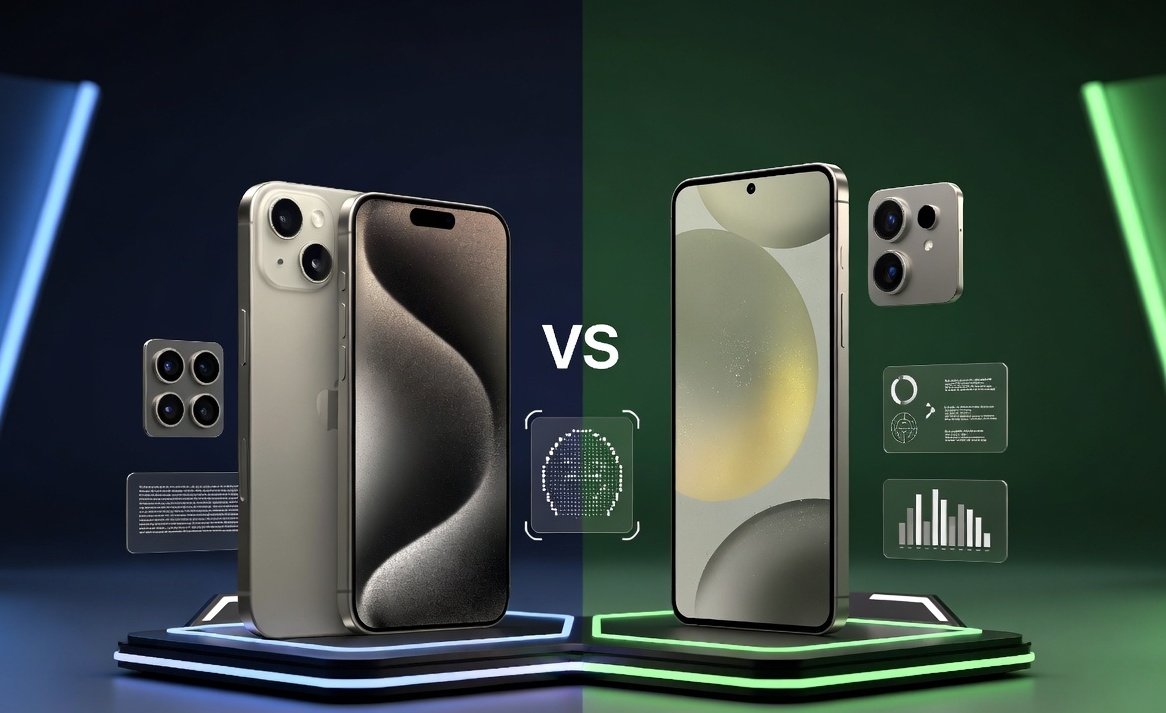
Smartphone Comparison: iPhone 15 vs Samsung Galaxy S24 – Complete Review
The rivalry between Apple’s iPhone and Samsung’s Galaxy series represents the smartphone market’s central competition. Consumers upgrading their devices face a crucial decision between these two ecosystem leaders. This comprehensive comparison examines the iPhone 15 and Galaxy S24 across critical specifications, examining which device better serves different user needs. Understanding the strengths and weaknesses of each platform enables informed purchasing decisions. Rather than declaring one universally superior, this analysis helps you identify which device aligns with your specific requirements and preferences.
Design and Build Quality
iPhone 15 features Apple’s traditional design philosophy with refined proportions and flat sides. The titanium construction on Pro models provides premium durability while maintaining lightness. The phone’s 6.1-inch display offers generous screen real estate within a manageable footprint. Samsung Galaxy S24 introduces a more curvaceous design with subtle updates from previous generations. The phone feels refined in hand, though the thickness varies slightly between regular and Ultra models. Both devices represent flagship-level construction quality. The choice between them depends on aesthetic preferences. iPhone users appreciate the consistent design language across product lines, while Galaxy users benefit from Samsung’s broader model range accommodating different preferences.
Display Performance
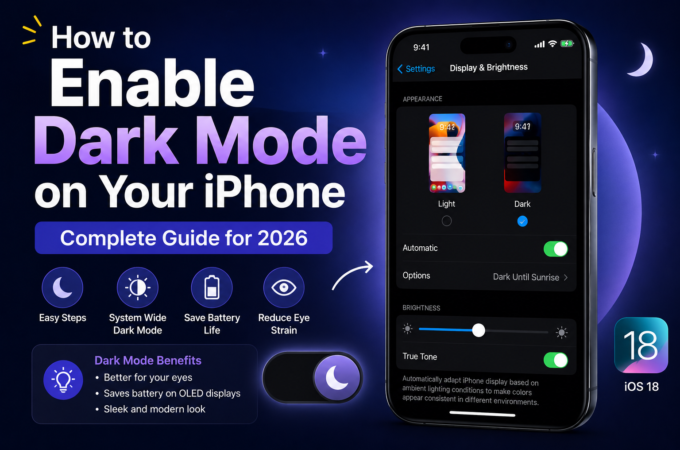
iPhone 15’s 6.1-inch display delivers 2532 x 1179 resolution with Super Retina XDR technology. The display reaches 2000 nits peak brightness, exceeding most smartphones. ProMotion 120Hz refresh rate provides smooth scrolling and gaming. Galaxy S24 features a 6.2-inch Dynamic AMOLED display with 120Hz refresh rate and 2000 nits peak brightness. Samsung’s display technology offers exceptional color accuracy and contrast. The slightly larger screen provides additional content visibility. Both displays represent the finest smartphone screens available. The choice between them comes down to minor preferences regarding size, curve, and color profiles. Most users will find either display exceptional.
Camera System Comparison
iPhone 15 maintains Apple’s dual-camera approach with 48MP primary and 12MP ultra-wide sensors. The improved computational photography delivers natural-looking images with consistent color science across conditions. Night mode processing excels particularly in challenging lighting. Samsung Galaxy S24 includes a triple camera system with 50MP primary, 12MP ultra-wide, and 10MP 3x telephoto. The variable aperture primary sensor adapts to lighting conditions automatically. Samsung’s computational photography emphasizes vibrant colors and sharpness. The camera competition favors personal preference. iPhone’s computational approach produces natural images, while Samsung emphasizes dynamic presentation. Both cameras produce excellent results, with choice depending on your photography style.
Performance and Processor
iPhone 15 uses Apple’s A17 Pro chip, a 6-core processor with dual high-performance cores. The chip handles any mobile task effortlessly, with exceptional thermal management. Gaming and multitasking perform flawlessly. Galaxy S24 features Qualcomm’s Snapdragon 8 Gen 3 Leading Version, providing outstanding performance across all tasks. The processor’s efficiency rivals Apple’s offerings. Gaming and demanding applications run smoothly. Both devices offer performance exceeding user requirements for any standard mobile task. The performance difference between them represents marginal advantage shifting based on specific workloads. Real-world usage difference is negligible.
Software and User Experience
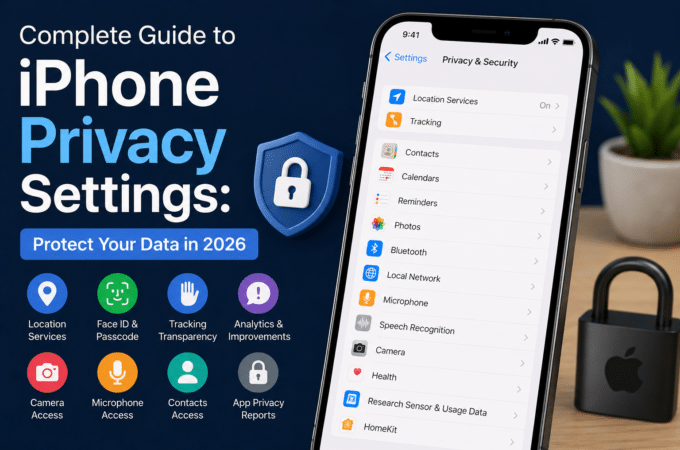
iPhone 15 runs iOS 17, Apple’s proprietary operating system. The clean interface, regular updates, and seamless integration with other Apple devices create a cohesive ecosystem. Privacy controls offer transparent data management. Galaxy S24 runs Android 14 with Samsung’s One UI overlay. The customizable interface accommodates various preferences. Deeper system integration with third-party services offers flexibility. The choice between iOS and Android represents the fundamental decision. iOS users value simplicity and ecosystem integration, while Android users appreciate customization and flexibility. Neither approach is universally superior.
Battery Life and Charging
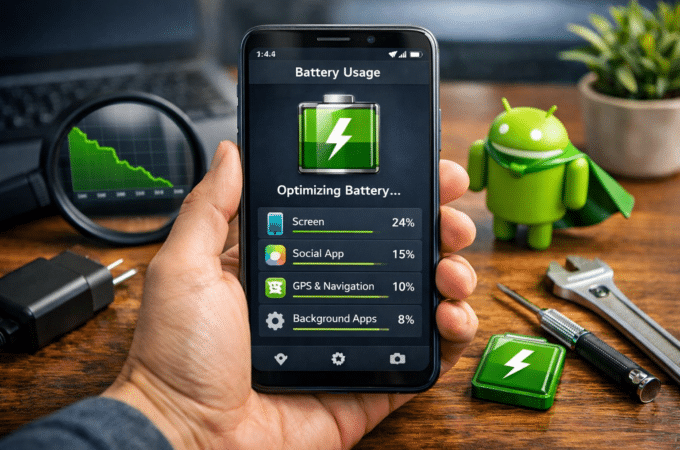
iPhone 15 delivers a full day of moderate usage. The A17 Pro’s efficiency enables excellent battery management. Fast charging reaches 50% in 30 minutes with a 20W charger. Galaxy S24 provides comparable battery life with similar efficiency. The device supports faster charging options up to 65W with third-party chargers. Both devices support wireless charging. Battery performance proves adequate for both devices. Heavy users may struggle with either phone, while moderate users enjoy full-day operation. The distinction in charging speed proves minor given both devices charge sufficiently quickly.
Price and Value Proposition
iPhone 15 starts at $799 for the base 128GB model. Apple maintains consistent pricing across generations, with storage upgrades providing the primary differentiation. Galaxy S24 carries a starting price of $799, matching iPhone’s entry point. Samsung offers more storage in entry-level models and provides more aggressive promotional pricing. The value comparison depends on your criteria. iPhone users value ecosystem integration and privacy, justifying the cost through long-term usability. Android users appreciate the flexibility and customization potential. Both devices provide legitimate value at their respective price points.
Read also- https://www.etalktech.com/top-10-ultimate-gaming-phones/
Ecosystem Integration
iPhone’s advantage emerges when considering ecosystem integration. Seamless handoff between iPhone, iPad, Mac, and Apple Watch creates unparalleled continuity. Notification synchronization and app continuity benefit heavy Apple users significantly. Android excels in its flexibility for multi-device ecosystems. Users can combine Samsung devices with non-Samsung hardware without friction. The open ecosystem approach suits users valuing flexibility. Ecosystem matters substantially if you own multiple devices from the same manufacturer. Single-device users experience minimal ecosystem benefits.
Conclusion
The iPhone 15 and Galaxy S24 represent the finest smartphones available, each excelling in different areas. iPhone’s strength lies in ecosystem integration, consistent performance, and privacy focus. Galaxy S24 emphasizes customization, display quality, and flexible Android ecosystem. Your choice should depend on personal priorities rather than abstract superiority. iPhone suits users valuing ecosystem integration and straightforward operation. Galaxy S24 appeals to those prioritizing customization and Android’s flexibility. Both represent excellent investments in mobile computing.